Sources

The public record behind MJA Life.

This page shows which public sources support the biography, writings, artwork, and archive pages. It is here so readers can see what is established, what is interpretive, and where caution still matters.

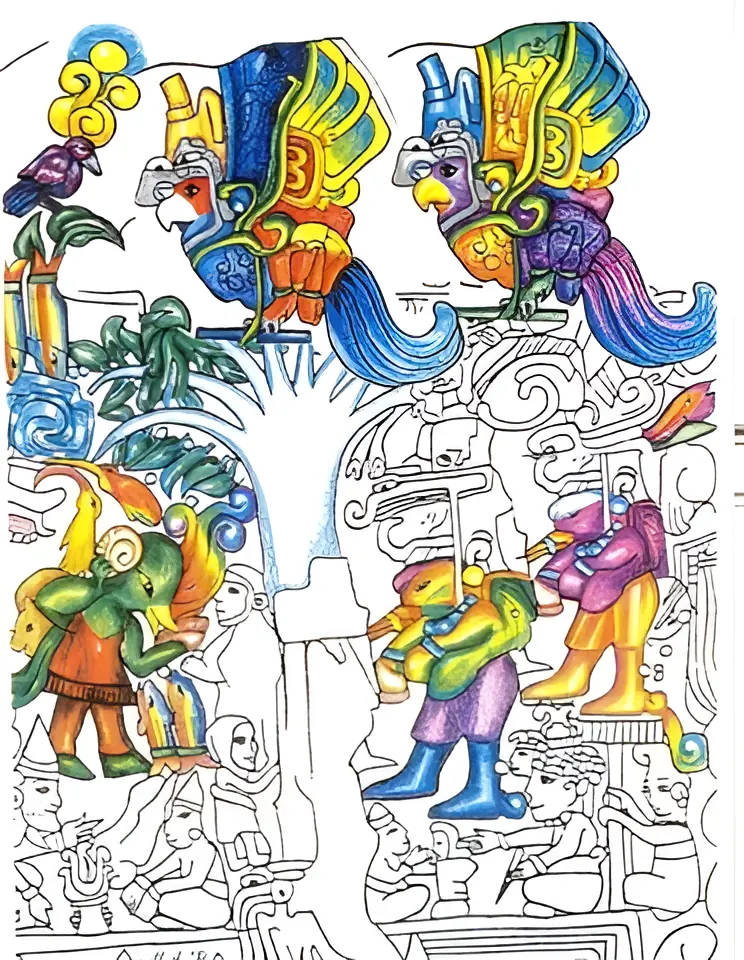
Artwork from Mary Jill Alice Roe Bennett used to introduce the sources page

Using The Source Library

  • Core identity sources anchor names, dates, article counts, and public life markers.
  • Blog-network sources show how broad the preserved web archive became.
  • Third-party traces confirm public visibility beyond self-published pages.
  • Page notes show which parts of the site each source supports most strongly.

Important Caution

Historical references to mjastudio.com matter as part of the public record, but they should not be read as proof of a current family-controlled site. The archive keeps historical trace and current stewardship separate on purpose.

Core Source Set

The sources that currently carry the most weight.

When a source is your first clue

Start from the source type that brought you here, then move into the right part of the archive.

This keeps the source page practical for readers who remember a blog name, a contributor page, a studio trace, or one outside citation more than they remember the exact page title on this site.

Author page or UFO Digest clue

Start with publications when the remembered clue is a byline, article title, contributor listing, or the preserved author bio.

CalleValentinus or artwork-title clue

Use the artwork guide and works catalog when the outside clue is a title, year marker, place-based image, or a visual theme rather than a full article.

T.S. Steve Minton or MJA Studio clue

Go to Tucson / MJA Studio when the strongest surviving clue is Phoenix Bird, a Tucson-era trace, public praise, or an old studio-era reference that needs careful context.

Pomona, Saenz, or archaeology-restoration clue

Follow these clues into Saenz, archaeology, or Izapa when the remembered source points to Pomona, Castillon, LDS Archaeology, restoration, or ancient-world reconstruction work.

How Sources Support The Pages

Where the strongest sources land.

Her Story

Pomona, UFO Digest, the Blogger profile, and the first-person article trio support the story page.

Writings and publications

UFO Digest author and contributor pages support article counts, titles, and the preserved public byline.

Works, timeline, and places

CalleValentinus, T.S. Steve Minton, LDS Archaeology, and related blog traces support the artwork and place record.

Research archive

Direct article links, research blogs, and selected outside references support the longer project pages.

Use The Sources To Find The Right Page

Start from the source trail, then move into the part of the archive you actually want.

This makes the source library more useful for new visitors who arrive from a citation, a name search, or a specific article mention and need the clearest next step.

Find writings by topic

Use the topic hub when a source points to southern France, archaeology, anomalous experiences, or symbolic reading.

Trace the life story

Move from source records into the biography when you want the clearest narrative thread instead of one source at a time.

See the visual record

Follow titles, places, and public traces into the artwork guide, gallery, and works catalog.

Download free files

Use the downloads page when you want a public, no-site-watermark file and then branch back into the archive for context.

How To Use This Page Well

Treat the sources as a starting point, not the whole visit.

A source page is strongest when it helps someone verify a clue, then move into the biography, artwork, writings, or archive page that actually tells the fuller story.

Use sources to verify

When the question is whether a title, biography detail, or outside reference is real, start here and look for the strongest supporting trail.

Use archive pages to understand

When the clue is already verified enough, shift into the internal pages that gather place, timeline, topic, and visual context in one readable place.

Use downloads and gallery for the public-facing art layer

When someone mainly wants to browse or download the visual work, do not leave them trapped in citations. Move them into the art pages with context.

Next Step

Read the pages these sources actually support.

The source library is most useful when it sends people into the story, writings, artwork, downloads, and archive pages it helps explain.